Table of contents
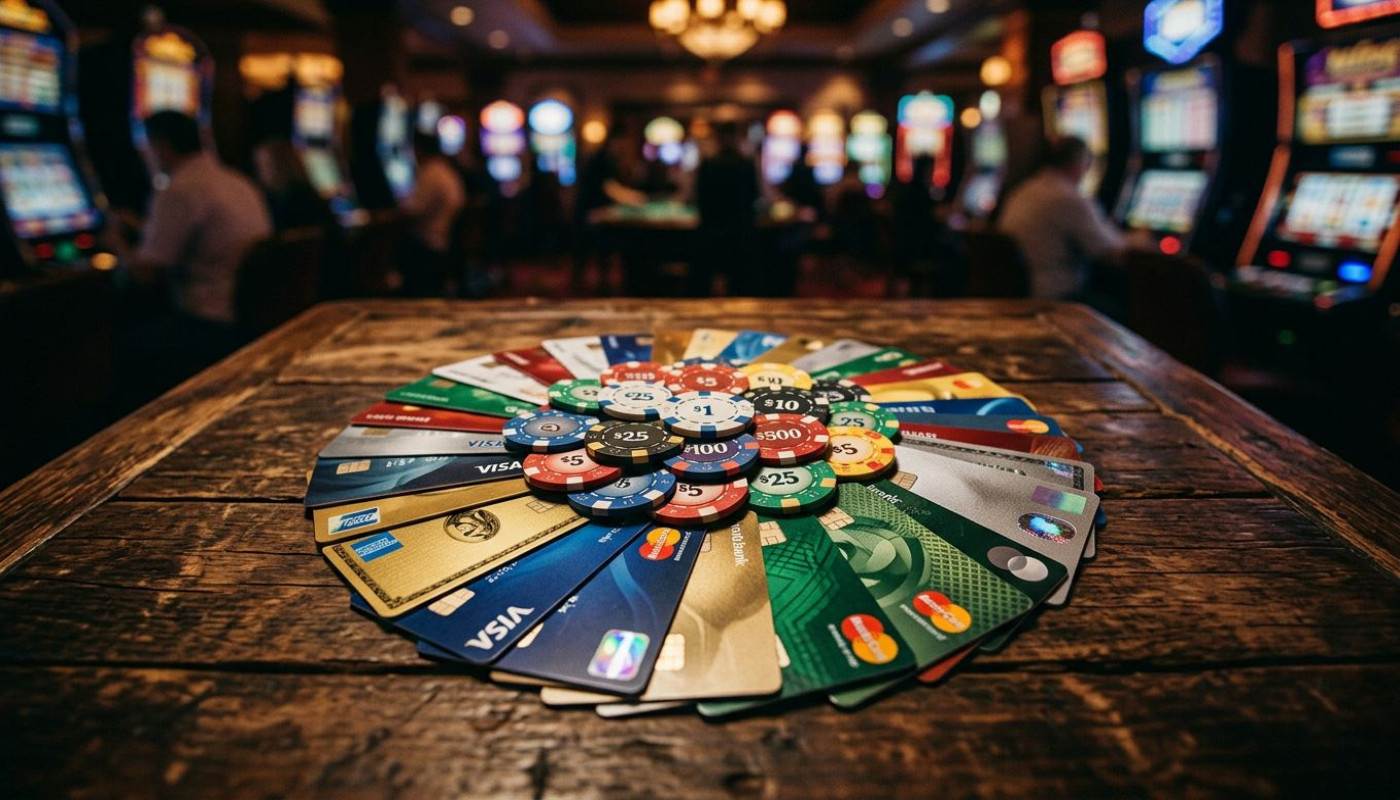
Your payment choice at an online casino can say more about you than your favourite slots ever will, because it sits at the crossroads of risk appetite, privacy, speed and even how much friction you will tolerate before play. As regulators tighten controls and operators expand payment menus, the humble deposit method has become a quiet personality test, and a practical one too, shaping fees, withdrawal times and the overall experience.
Fast money, fast thrills
Some players treat funding a casino account like ordering a ride share: tap, confirm, done. If you gravitate to instant rails such as debit cards, Apple Pay, Google Pay or instant bank transfer options, you are likely chasing momentum, because the time between intent and action matters to you almost as much as the game itself, and that preference is increasingly catered for. In the UK, where gambling payments are tightly scrutinised, the 2020 ban on credit card gambling pushed many players toward debit, prepaid and bank transfer products, and it also accelerated innovation around open banking style payments that can move funds in seconds rather than days.
Speed, however, is rarely just about impatience. It often signals that you value predictability, because faster deposits and clearer authorisation flows reduce the number of moving parts that can go wrong, and they lower the cognitive load of “did it work?” That same mindset tends to show up at cash out, where players who choose instant methods will notice the difference between operator processing time and payment rail time. Even when a casino advertises “fast withdrawals”, many sites still impose internal checks, and the payment method can change what “fast” really means, with card withdrawals often slower than e-wallets, and bank transfers sometimes slower still depending on jurisdiction and verification steps.
There is a practical tell here: fast-method players often accept slightly higher friction up front, such as identity verification, if it buys them smoother repeat deposits later. They are also more likely to keep a tighter loop between bankroll and entertainment budget, topping up smaller amounts more frequently rather than making one large deposit, a behaviour pattern that gambling researchers often associate with a desire to control spend in real time. The flip side is that speed can make chasing losses easier, which is why many regulators and operators pair quick deposits with deposit limits, reality checks and mandatory breaks, and why players who prioritise instant funding should pay extra attention to those tools.
Privacy seekers and the appeal of crypto
If your first instinct is to keep your gambling spend at arm’s length from your everyday banking, the payments menu can feel like a catalogue of escape routes. Cryptocurrencies, prepaid vouchers and certain e-wallets appeal to players who value discretion, and not always for sinister reasons. Some people simply dislike sharing card details online, others want separation between entertainment and household finances, and many are wary of how much transaction metadata can reveal, from the merchant category to the timestamps that map onto a person’s habits.
Crypto in particular has grown into a cultural marker inside online gambling, signalling both tech comfort and a willingness to manage volatility and operational complexity. Yet the idea that crypto is “anonymous” is often overstated, because most mainstream on-ramps are now heavily regulated, and blockchain transactions are traceable even when identities are not immediately attached. That reality is reflected in policy: across much of Europe, anti-money laundering rules have tightened around customer due diligence, and in the UK the Gambling Commission continues to emphasise source-of-funds checks, meaning privacy-minded players may still face verification when withdrawing, regardless of the deposit rail.
Fees and exchange rates are another personality giveaway. Players who tolerate conversion spreads, network fees and wallet management often enjoy the sense of control, and they are comfortable trading convenience for perceived autonomy. But autonomy comes with responsibility: irreversible transfers, address mistakes and price swings can turn a simple deposit into a costly error. For readers weighing how a casino handles these options, including transparency on fees, limits and withdrawal conditions, it is worth consulting detailed, payment-specific breakdowns such as the Harry Casino Review, which can help separate marketing promises from the mechanics that actually determine how money moves.
The “budgeteer” who loves e-wallets
Not everyone is chasing the fastest rail or the most private one. Many players want something quietly pragmatic, a method that feels modern but controlled, and this is where e-wallets have built their reputation. If you reach for PayPal, Skrill, Neteller or similar services when available, you are signalling that you like to compartmentalise, because an e-wallet can act like a buffer between your bank and the casino, and it often makes spending feel more deliberate. In a world where subscription creep and contactless taps can blur the lines of everyday spending, that extra layer can feel like budgeting with guardrails.
There is also a trust component. E-wallet brands tend to be familiar, they often come with robust fraud monitoring, and they usually allow you to keep your primary card details away from multiple merchants. For casino players, that can reduce anxiety about chargebacks, card security and the administrative hassle of replacing a card if something goes wrong. It is telling that many operators promote e-wallets as a “preferred” option for withdrawals, because, in practice, payouts can be faster than traditional bank transfers, and the handoff from operator to wallet provider may be smoother than card systems that were not designed with gambling cash outs in mind.
Still, the budgeteer personality is not immune to traps. Some e-wallets charge inactivity fees, currency conversion spreads or withdrawal fees to move money back to a bank account, and those small costs can accumulate invisibly over time. Limits can also be decisive: casinos may set different minimums and maximums depending on method, and e-wallet users who prefer small, controlled deposits should check whether the site imposes higher minimum deposits for wallet transactions. The disciplined player reads the payment terms like they would read game rules, because the payment method is part of the cost of play, and understanding it is a form of consumer protection.
Bank transfer loyalists who play long
Some payment choices feel almost old-fashioned, yet they persist because they fit a particular temperament. If you prefer bank transfers, you are often signalling patience, structure and a long-term relationship with your finances, because a transfer can feel like a planned decision rather than an impulse. This is the player who might deposit less frequently, in larger chunks, and treat casino time as a scheduled leisure activity, not a spontaneous dopamine hit between other tasks.
Bank transfer loyalists also tend to be motivated by perceived legitimacy. A direct bank payment can feel “real” in a way that some newer methods do not, and for many consumers that matters in an industry where trust is hard-won and easy to lose. The trade-off is speed, because while instant bank transfer products are spreading, traditional transfers can still take one to several business days, especially for withdrawals, and that delay can become a frustration point when marketing copy promises quick access to winnings. Experienced players know to separate the casino’s internal processing window from the banking system’s settlement time, and they build that lag into expectations.
This group should pay close attention to verification and compliance, because bank rails are deeply intertwined with anti-fraud and anti-money laundering controls. Source-of-funds checks, name matching and document verification can slow down first withdrawals, and, in some jurisdictions, operators will not release funds until a full KYC review is complete, regardless of how quickly you deposited. The upside is clarity: statements are easy to audit, budgets can be tracked cleanly and disputes are handled through familiar banking channels. For players who value order and accountability, that structure can be reassuring, and it can support healthier gambling habits, because friction sometimes functions as a brake.
Plan your next session, not just your deposit
Before you fund any account, set a session budget, check deposit and withdrawal limits, and confirm typical payout times for your chosen method. Keep an eye on fees and conversion rates, and use deposit limits if fast payments tempt you into overspending. In some countries, you may also qualify for safer-gambling tools or self-exclusion schemes offered by regulators and operators.
Similar

Exploring The Impact Of Payment Methods On Online Casino Experiences

Exploring The World Of Online Casino Games: Variety And Innovation

Exploring The Benefits And Risks Of Non-Local Online Casinos

Exploring The Appeal Of UK Casino Sites Beyond GamStop Regulations

Ensuring Responsible Play In Popular Online Casino Games

Exploring The Excitement Of Online Casino Flight Games

Exploring The Excitement Of Chicken-themed Casino Games

Casino etiquette online and offline Best practices for a respectful gaming experience

Exploring The Thrill Of New Minigames In Online Casinos

How To Choose The Right Online Betting Site: A Comprehensive Guide

The Pros And Cons Of Using Mobile Apps For Online Casinos

Exploring The Legality Of Online Casinos In The UAE
Strategies For Maximizing Winnings In Online Slot Games

Exploring The Impact Of Virtual Reality On Future Online Casinos

Exploring The Impact Of Virtual Reality On Future Casino Experiences

How To Identify And Choose Secure Online Casino Platforms

Exploring The Appeal Of Anime-themed Online Casinos In 2024

How To Ensure Fairness When Playing At Online Casinos
Key Strategies For Winning At Online Slot Games

How To Securely Withdraw Your Online Casino Winnings

What To Look For In A Trustworthy Online Casino

The Evolution Of Traditional Gambling To Digital Platforms

Advantages Of Playing Pokies On Mobile Devices

Tips For Beginners On Choosing The Right Casino Game

Popular Australian-themed Slot Games And Their Features

Impact Of Digital Transformation On The Australian Gambling Industry

Understanding The Legality Of Online Gambling In Australia

Personal Stories From Online Casino Players In Australia

Beginner's Guide To Navigating Australian Online Casinos

Exploring The Latest Trends In Online Casino Games

Mobile Gaming: Playing Casino Games On The Go

Exploring The Variety Of Slot Game Themes Available Online
The Impact Of Technology On The Accessibility Of Casino Games

Top Strategies For Winning At Online Slots

A Beginner's Guide To Navigating Online Casinos

Exploring The Thrill Of Live Dealer Games In Online Casinos

The Evolution Of Online Gambling: Past, Present, And Future

Tips For Choosing The Right Online Casino Game For You

Discover The Variety Of Games Available In Virtual Casinos

Exploring The Evolution Of Online Casino Games In Recent Years

How Demo Slots Can Prepare You For Real Money Casino Games

Exploring The Thrill Of Live Casino Games And Mobile Gaming Compatibility

Exploring The Thrill Of Casino Mines Games: Strategies, Tips, And How To Play Safely

Exploring The Popularity Of Plinko Games In Modern Casinos

Exploring The Thrill: What Makes Online Casinos So Popular?

The Evolution Of Free Spins In Online Casinos: A Gamer's Advantage